Focused arrival windows
Useful updates and clear arrival timing.
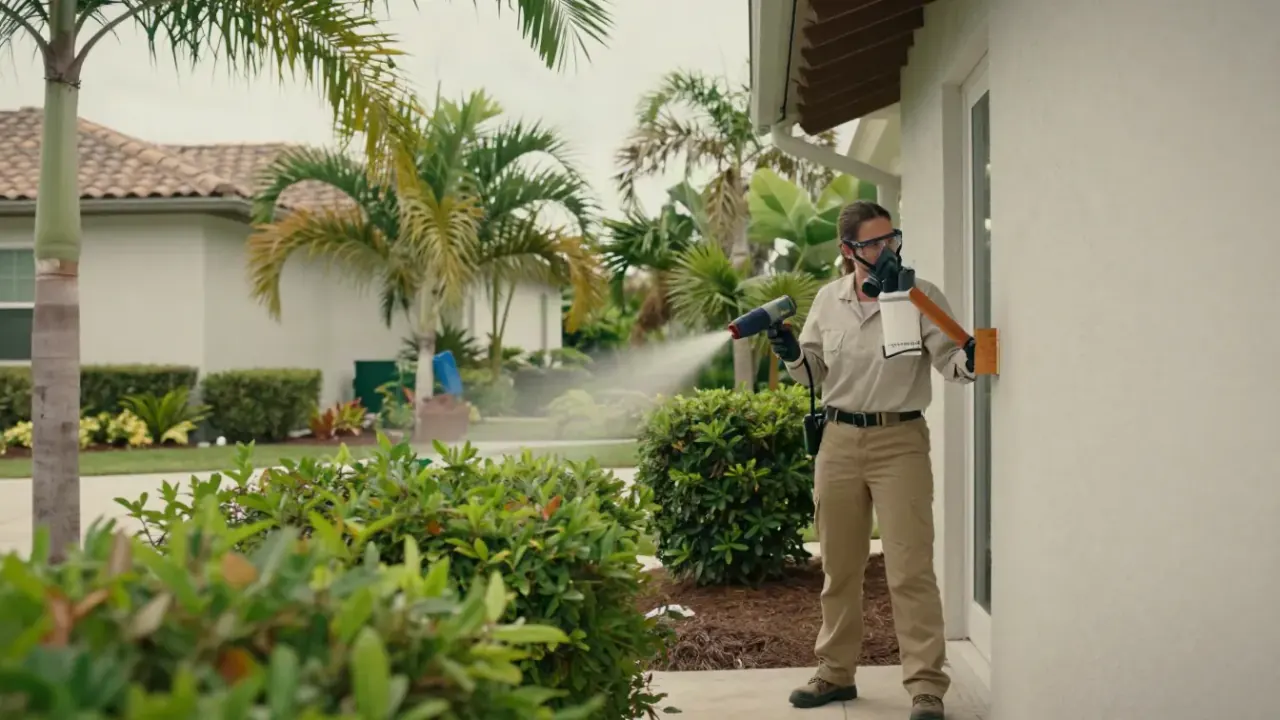
A termite inspection in tormond beach, Florida is the fastest way to find out whether subterranean or drywood termites are eating your house from the inside. We inspect the slab, crawlspace, attic, and every exterior wall line, then hand you a written termite inspection report tormond beach buyers, sellers, and lenders accept. If termites are there, you will know today.
Useful updates and clear arrival timing.
Review the approach and price before deciding.
Equipped vehicles and respectful cleanup.
Neighbors serving neighbors with follow-through.
Every inspection covers the full accessible structure, inside and out, plus a written report. Treatment is quoted separately if we find activity, and you decide whether to move forward. Nothing gets added to the bill without your say-so.
We walk the entire foundation line, probe the sill plate, and check for termite mud tubes, cracked stucco, and soil above the slab edge. Irrigation heads and mulch beds get flagged because they hold moisture against the wall.
Every ground-floor wall gets checked with a termite inspection flashlight and moisture meter. We probe baseboards, door frames, and closet corners for hollow wood, and note any reading above 20 percent moisture.
We enter the attic and crawlspace where accessible and inspect framing, top plates, piers, and subfloor. This is where drywood termite damage and hidden subterranean activity usually show up first.
You get a same-day written report listing every finding, its location, and whether it is active or old. Photos are attached, and the report is formatted for real estate use when needed.
If we find activity, we quote treatment on the spot with the product name, application method, and warranty length. No pressure, no same-day-only discount games. You take the quote and decide.
Share what is happening and receive a clear next step from the local team.
A termite inspection in tormond beach, Florida is a room-by-room, wall-to-wall examination of your property for live termites, old damage, and the conditions that invite them back. We probe every baseboard, door frame, and sill plate with a termite inspection flashlight and termite probes, then check the soil line for termite mud tubes. Inside, a moisture meter tells us where wood stays wet long enough to feed a colony. Outside, we walk the foundation, garage, and fence line looking for termite frass, swarmers, and cracked stucco that lets foragers in.
Coastal Volusia County homes sit on sandy soil that stays warm most of the year, and that is exactly what subterranean termites want. Add humid summers, irrigation heads spraying the slab, and mature landscaping packed against the walls, and you have ideal conditions for a colony to move in quietly. That is why we recommend a home termite inspection tormond beach Florida homeowners can schedule before the damage shows. If you have been searching for a termite inspection in tormond beach near me, we run same-day appointments across the beachside and mainland.
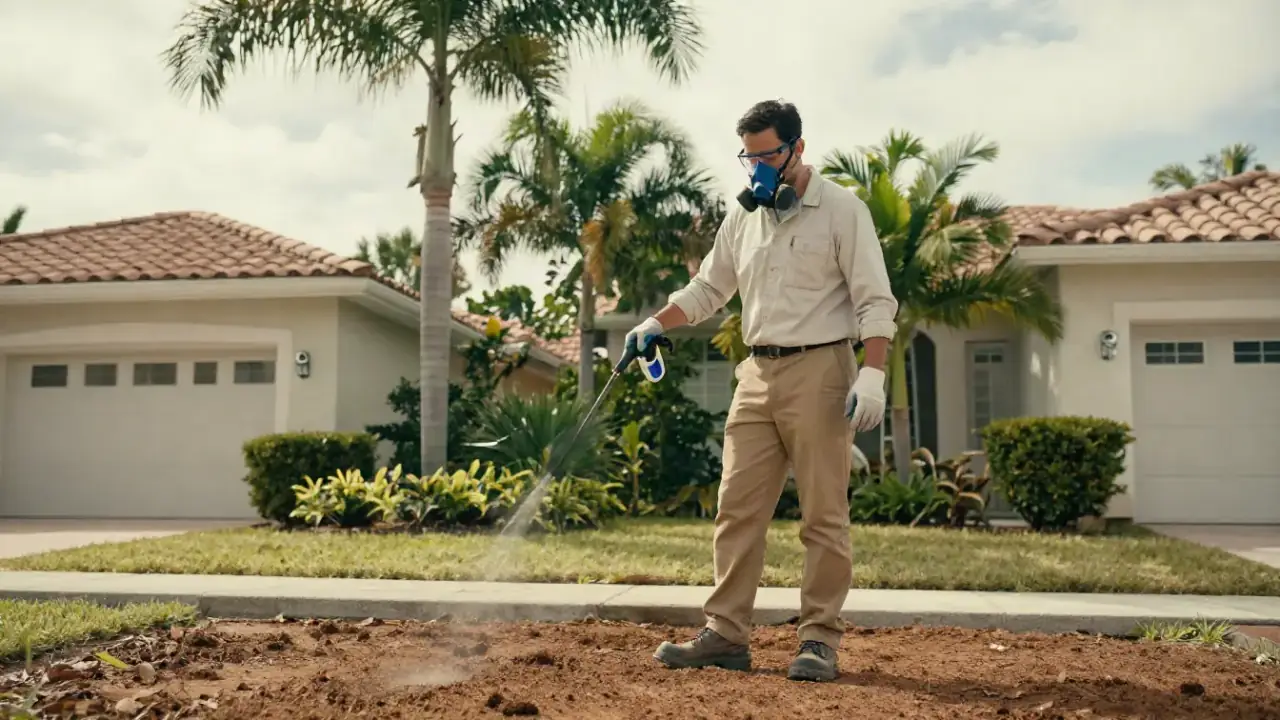
You call, we ask the basics: square footage, slab or crawlspace, any additions, and whether this is for a real estate transaction. That takes five minutes and lets us bring the right gear. If you need a termite inspection report for real estate tormond beach closings, tell us the deadline and we work backward from it.
We start outside and work the foundation line, checking for termite mud tubes, cracked stucco, and soil that sits above the slab edge. Irrigation heads, downspouts, and mulch beds get a hard look because they hold moisture against the wall. This pass usually takes 30 to 45 minutes on a standard lot.
Inside, we check every wall that touches the ground: baseboards, door frames, closet corners, and the garage. A termite inspection flashlight and termite probes go into any wood that sounds hollow. The moisture meter flags readings above 20 percent, which is where termites and wood rot from termites both start.
If your home has a crawlspace, we go under it with a flashlight and look at floor joists, piers, and subfloor. In the attic, we check the top plates and roof framing for drywood termite damage and termite frass that falls out of galleries. This is where a lot of hidden activity shows up.
We sit down with you, show the photos, and walk through the findings line by line. You get the written report the same day, usually within two hours of the inspection. If treatment is needed, we quote it on the spot with product names and a warranty length.
Used on every interior wall, crawlspace pier, and attic framing run to spot mud tubes, galleries, and frass in low light.
Reads wood moisture content on baseboards, sills, and framing. Anything above 20 percent gets flagged as a termite and wood rot risk.
Detects temperature differences behind walls that indicate moisture, hidden galleries, or active termite activity without cutting drywall.
Thin steel probes used to test wood for hollowness and to check soil along the foundation for soft spots and entry points.
Installed in a ring around the foundation to intercept foraging termites and eliminate the colony over time. Checked quarterly.
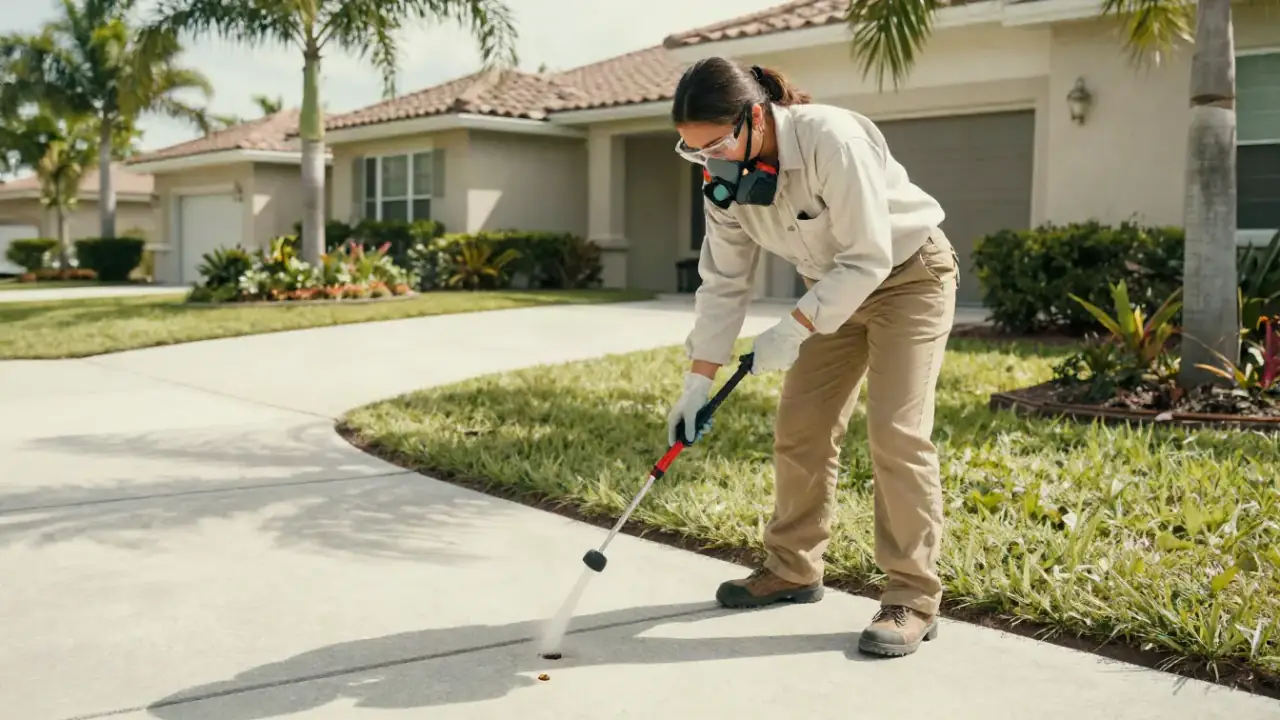
Applies liquid termiticide at label rate along the foundation trench and slab edge for a continuous soil barrier.
The standard report format used for real estate transactions. It documents findings by location, states whether activity is active or old, and includes the inspector's license and signature. Lenders and title companies accept it without follow-up.
A non-repellent liquid termiticide applied in a trench along the foundation and under slab edges. Termites cannot detect it, so they pass through and transfer it through the colony. Applied at label rate with a termite treatment sprayer.
A ring of in-ground stations loaded with termite bait. Foragers carry it back to the colony, which collapses over weeks to months. We check stations quarterly and refresh bait as needed.
Applied to exposed framing, sill plates, and attic lumber to make the wood unpalatable to termites. Used alongside soil treatment or after fumigation to protect raw wood that stays accessible.
We run the inspection within 48 hours, format the report to NPMA-33, and deliver it same-day so your lender and title company have what they need. If activity turns up, we quote treatment immediately so you can negotiate before the deadline. You close on time with a clear report or a documented repair credit in hand.
We inspect the full structure, identify the species, and locate the source colony. If it is drywood, we quote fumigation; if it is subterranean, we quote soil treatment or bait stations. You know exactly what you are dealing with and what it costs to fix, usually within 24 hours.
Older tormond beach homes often have untreated framing, original stucco, and crawlspaces that have never been checked. We do a full interior and exterior inspection and document everything we find. You get a baseline report and a clear picture of any risk areas to monitor going forward.
We inspect the structure, check every bait station for consumption, and refresh any that have been hit. The re-inspection keeps your warranty active and catches new activity early. Your warranty stays valid and any new colony gets caught before it reaches the house.
Tormond beach sits on sandy coastal soil that stays warm enough for subterranean termites to forage almost year-round, and the summer humidity keeps wood moisture high enough to invite drywood species too. Most homes here are slab-on-grade or low crawlspace, which means the soil-to-structure connection is short and easy for a colony to bridge. We see the heaviest activity in homes with irrigation heads spraying the slab, mulch beds piled against the wall, and mature oak or palm roots pushing through the foundation line. Spring is swarmer season, so March through May is when we get the most calls, but fall is when hidden damage from the summer feeding season shows up in reports. If you need a tormond beach termite inspection Florida homeowners can schedule before the holidays, we run same-day appointments most weekdays and can usually get an inspector out within 24 hours.
Older block homes with original stucco and mature landscaping. We check the stucco-to-slab joint closely because cracks there are a common entry point.
Beachside homes with high water tables and sandy soil. Crawlspaces here stay damp, so moisture readings run higher and termite pressure is heavier.
Larger lots with heavy oak canopy and irrigation systems. Mulch beds against the foundation are the most common risk factor we flag here.
Established neighborhood with a mix of slab and crawlspace construction. We see recurring activity in homes that have never been treated.
Soil stays moist and warm, which keeps subterranean colonies active longer than in inland areas. Barriers break down faster, so we recommend annual re-inspections.
Wood moisture stays elevated, which makes framing more attractive to termites and speeds up wood rot from termites once they are inside.
Mature colonies release winged swarmers looking for new nesting sites. This is when most homeowners first notice a problem and book an inspection.
Constant moisture against the slab edge creates a direct path for termites. We flag every head within three feet of the foundation in the report.
A homeowner in Ormond-by-the-Sea noticed mud tubes on two crawlspace piers during a routine check. The home had never been inspected, and the crawlspace stayed damp year-round from the high water table.
We confirmed active subterranean termites on four piers and the subfloor edge. Termidor soil treatment plus borate wood treatment on the affected framing stopped the colony, and a follow-up inspection 60 days later showed no new activity.
Maintenance: Annual re-inspection and keeping the crawlspace vents clear. We also recommended redirecting two irrigation heads away from the foundation.
A buyer's inspection on a Downtown Ormond Beach home came back clear, but the buyer's agent asked for a second opinion after seeing frass on a windowsill. The original report had missed the attic entirely.
Our inspector found drywood termite galleries in three roof framing members and confirmed with a thermal imaging camera. The seller agreed to a $4,800 credit, and fumigation was completed before closing.
Maintenance: Annual inspection for the first two years after fumigation, then standard yearly checks. The buyer kept the warranty active.
A Tomoka Oaks homeowner had soil treatment five years earlier and assumed the warranty covered everything. When swarmers appeared in April, the original company had stopped servicing the area.
We re-inspected the original treatment zone, found the barrier had broken down along the garage slab, and re-treated at a reduced rate. Bait stations were added on the side yard where the colony was re-establishing.
Maintenance: Quarterly bait station checks and an annual re-inspection. The renewed warranty is transferable if the home sells.
Most calls we get start with something the homeowner noticed and could not explain. Here are the four we hear most, and what we do about each one.
Subterranean termites build these to move from soil to wood, and by the time they are visible, the colony is usually feeding on framing inside the wall. We trace the tube back to its soil entry point, probe the wood behind it, and confirm whether the colony is active. If it is, we quote a Termidor soil treatment or a Sentricon bait ring depending on your foundation type.
Winged swarmers mean a mature colony is nearby and reproducing. Ignoring them usually means a second colony establishes within a season. We inspect the entire structure for the source colony, check the attic and crawlspace for galleries, and identify the species. Drywood swarmers point toward fumigation; subterranean swarmers point toward soil treatment.
Hollow wood usually means termites have eaten the inside and left the paint intact. Left alone, the damage spreads along the wall plate into the framing. Our moisture meter and termite probes confirm the extent, and we photograph the damage for the report. If the framing is affected, we quote borate wood treatment and repair alongside the termite work.
A colony can re-establish from a neighboring lot, especially in coastal soil where the barrier breaks down faster than the label claims. We re-inspect the original treatment zone, check bait station consumption, and test the soil barrier. If the barrier has failed, we re-treat at a reduced rate and extend the warranty.
Our inspectors hold the Florida Department of Agriculture Pest Control License and carry State Certified Termite Inspector credentials, with NPMA Certified and QualityPro training behind them. We work Volusia County properties every week, from 1950s block homes near the beach to new builds west of the intracoastal. That means we know where termites show up in this soil, how the humidity drives activity, and what lenders and real estate agents expect on the paperwork. Every product we apply is an EPA Registered Termiticide, and our crews work under OSHA Safety Compliance standards.
A standard termite inspection in tormond beach runs $150 to $350 in 2026, depending on square footage, crawlspace access, and whether it is tied to a real estate transaction. Homes over 3,000 square feet or with multiple additions sit at the top of that range. Real estate inspections with full NPMA-33 documentation are usually quoted at the higher end because of the paperwork and liability involved.
The report lists every finding with a location, notes whether activity is active or old, and states whether the property is clear or needs treatment. It includes photos of termite mud tubes, damaged wood, and moisture readings, plus the inspector's license information. For real estate deals, we format it to the NPMA-33 standard so lenders and title companies accept it without a follow-up call.
Once a year is the right cadence for most tormond beach homes, and every six months if you are on a bait station system. Coastal humidity and sandy soil keep colonies active nearly year-round here, so annual checks catch problems while they are small. If you have had treatment before, your warranty likely requires an annual re-inspection anyway to stay valid.
Look for a State Certified Termite Inspector with a Florida Department of Agriculture Pest Control License, and ask what tools they bring. A real inspection uses a moisture meter, termite probes, and a thermal imaging camera, not just a flashlight. Ask whether the report is same-day and whether the company that inspects also treats and warranties the work.
Not seeing your question? Our local team can help you understand urgency, scheduling and what to expect.
Ask the local team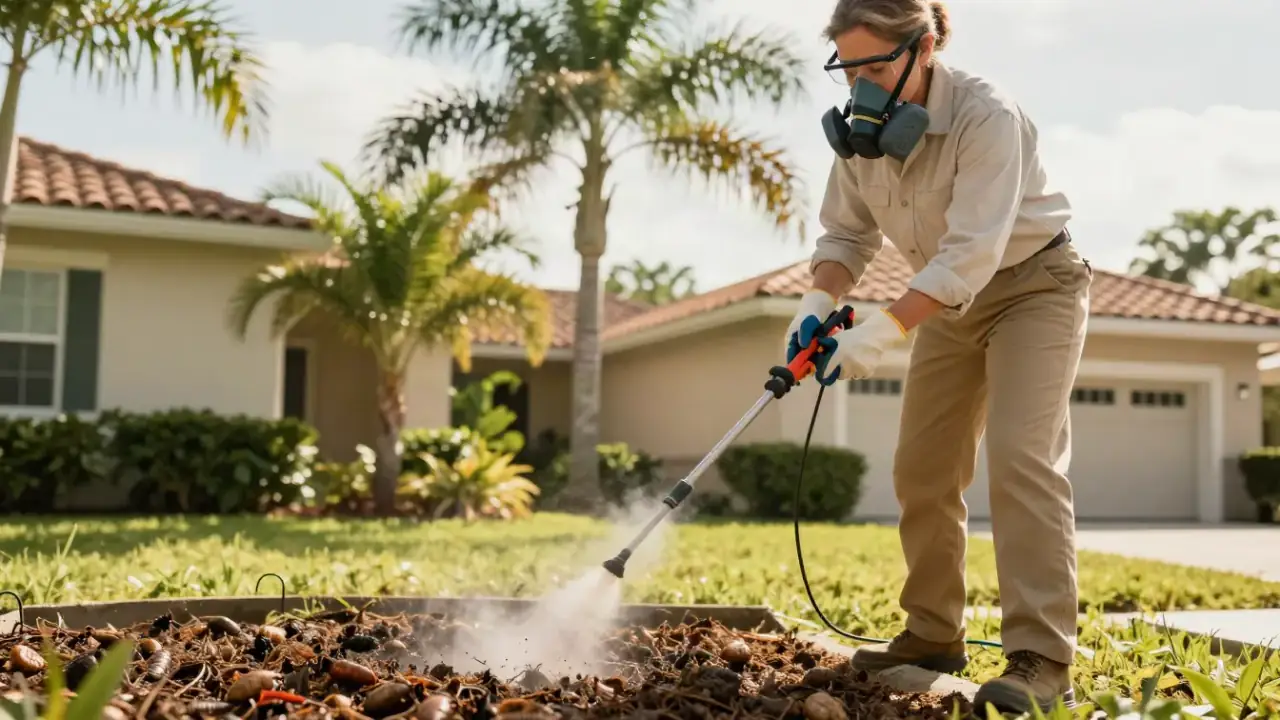
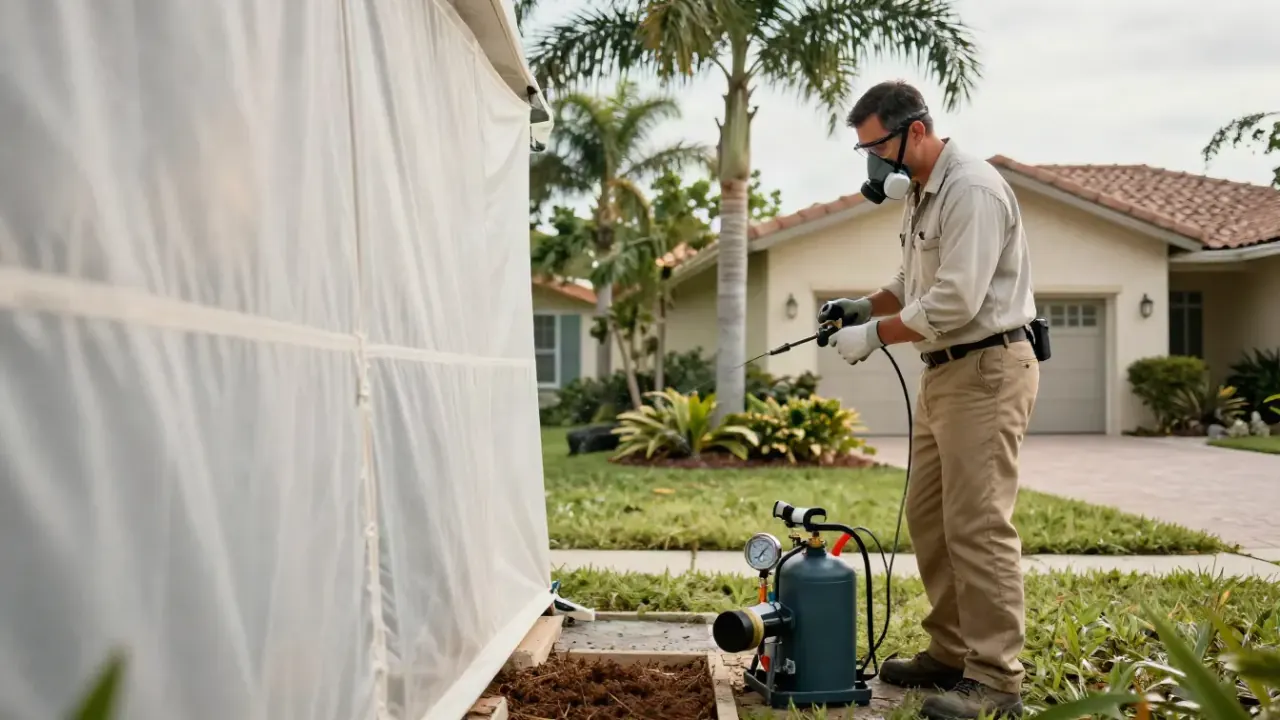
When an inspection turns up a drywood termite infestation spread through the framing, tenting and fumigation is often the only complete fix. We seal the structure with fumigation tarps, run the fumigation gas to label rate, and clear the home for re-entry with a certified report.
View serviceIf the inspection finds active subterranean termites, treatment is the next step. We apply Termidor or install a Sentricon bait station ring around the foundation, then warranty the installation. You get the product name, the application rate, and the warranty length in writing.
View service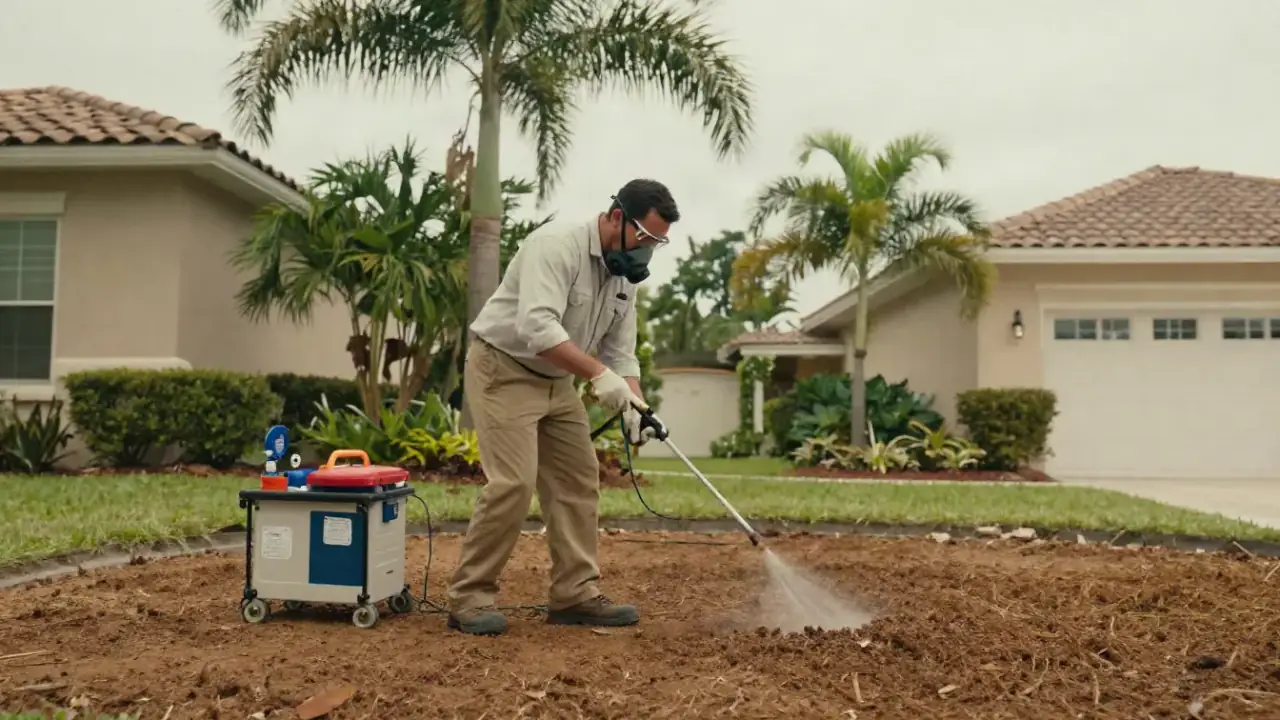
Subterranean termites are the most common species we find in tormond beach, and they nest in soil, not wood. Control means treating the soil, sealing foundation entry points with caulk and sealants, and monitoring bait stations quarterly. We handle all three on one schedule.
View serviceDrywood termites live inside the wood and leave termite frass behind, which is usually how homeowners spot them. Control ranges from localized foam insecticide injections to full-structure fumigation. Your inspection report tells us which approach fits the spread.
View service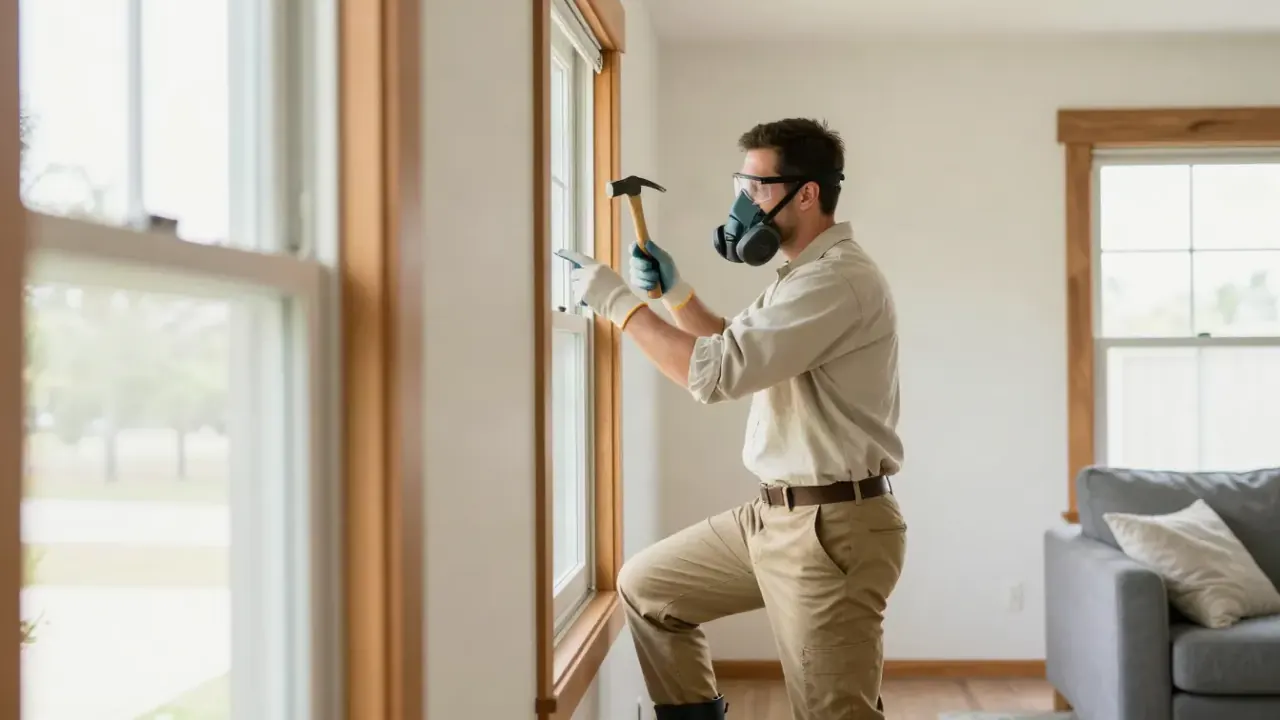
Call us at +13866081389 or send a message and we will get back to you the same business day. We answer emergency termite calls 24/7, and most inspections in tormond beach get scheduled within 24 hours. Tell us what you are seeing and we will tell you what it likely is.