Focused arrival windows
Useful updates and clear arrival timing.
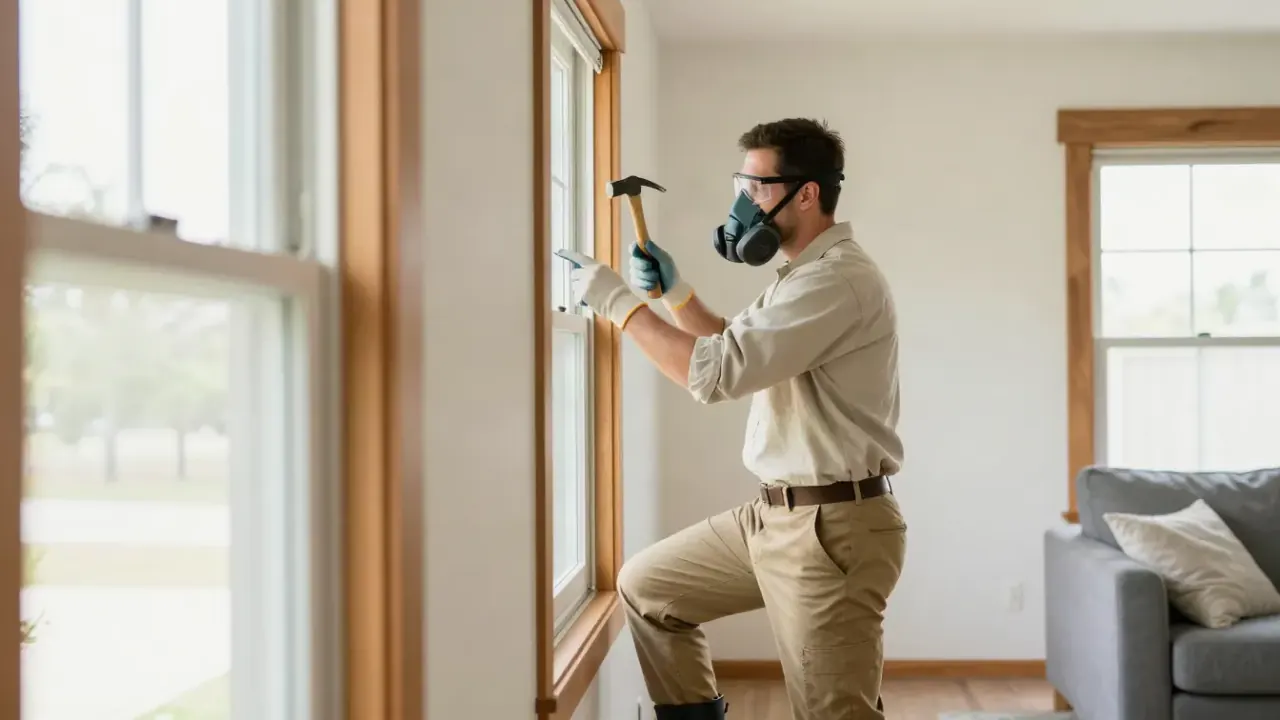
termite treatment Ormond Beach in Ormond Beach, Florida means finding the colony before it eats your framing. Local providers run full inspections, identify subterranean and drywood species, and apply EPA-registered termiticide where it actually works. Pricing is on request, and a local provider explains pricing after an inspection.
Useful updates and clear arrival timing.
Review the approach and price before deciding.
Equipped vehicles and respectful cleanup.
Neighbors serving neighbors with follow-through.
Local providers handle termite treatment Ormond Beach in Ormond Beach, Florida for homeowners, landlords, and small commercial properties. The technicians inspect crawlspaces, garages, and fence lines, then build a treatment plan around what the colony is actually doing. Subterranean termites here travel through soil and mud tubes; drywood termites nest straight inside the lumber. Two different problems, two different fixes, and local providers do both.
What separates them is the inspection. Local providers use a termite inspection flashlight, a moisture meter, and a thermal imaging camera to check wall voids and baseboards you cannot see behind. A provider should be NPMA Certified and work under a Florida Department of Agriculture Pest Control License, so every application follows state code. If you need a termite exterminator in Ormond Beach, local providers can usually be on site.
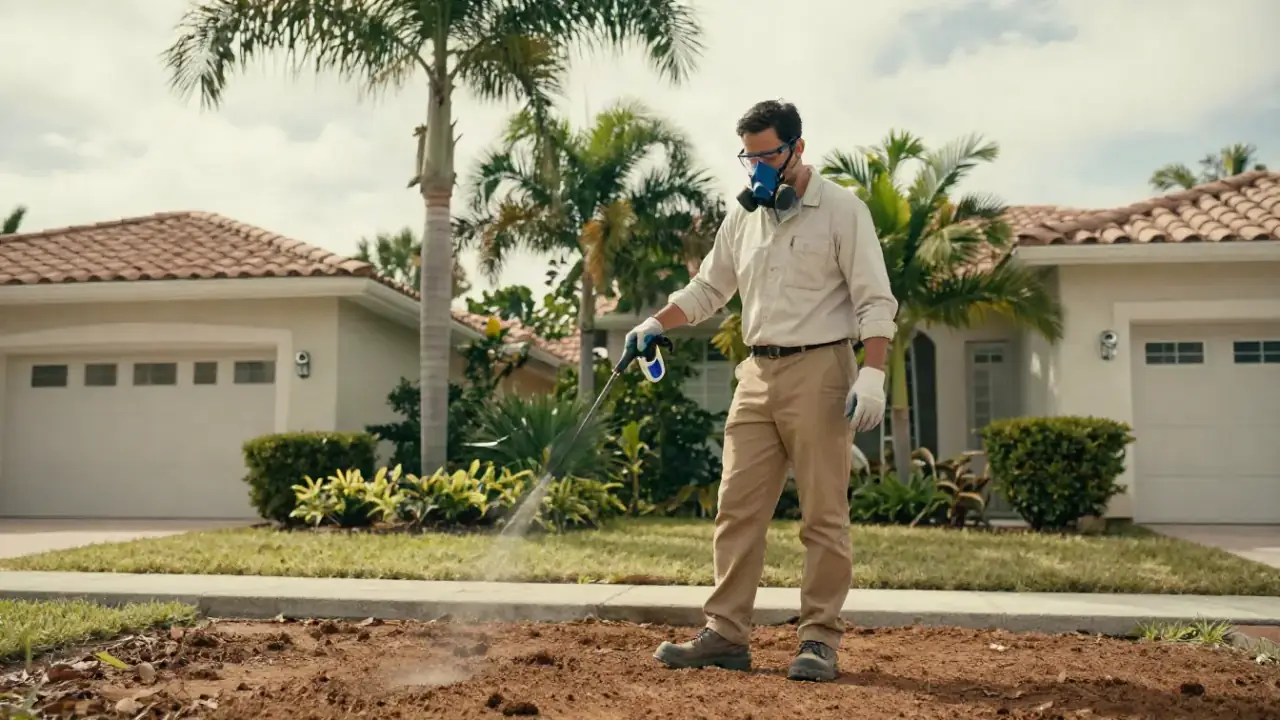
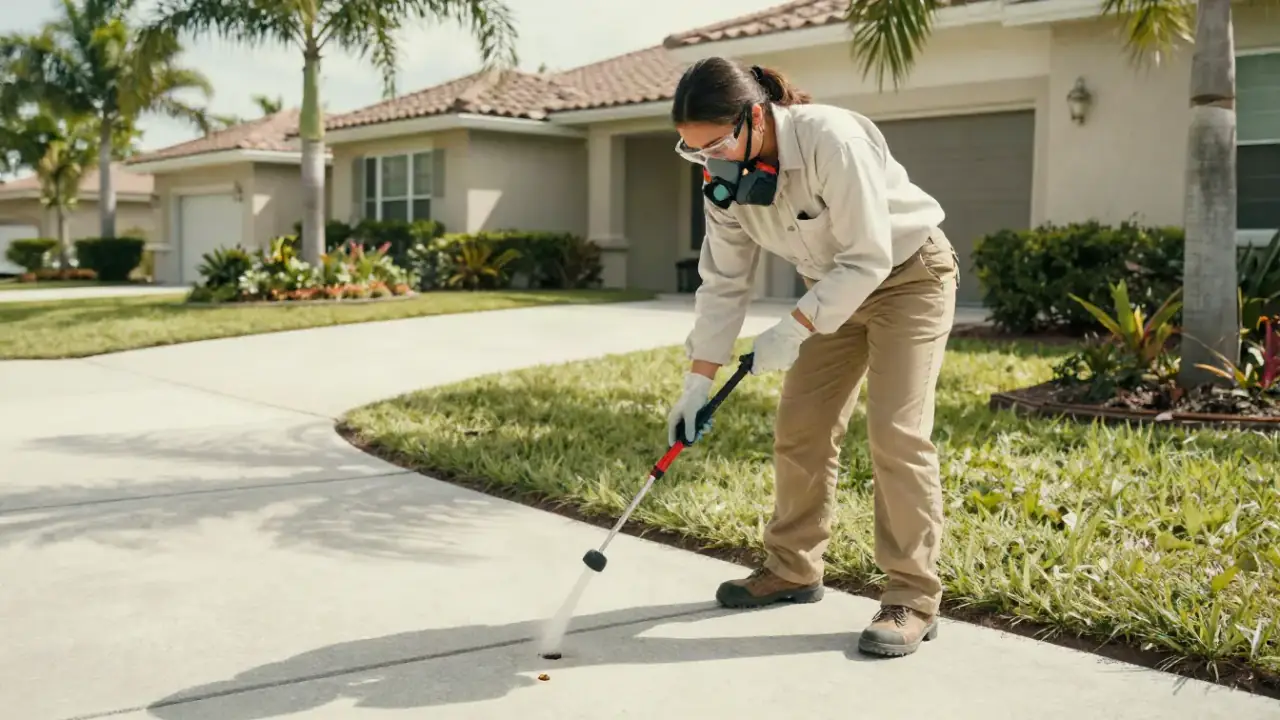
One colony can run from the soil under your slab to the roof trusses in a single season. Local providers cover the full range of termite control Ormond Beach FL work in Ormond Beach, from a single-structure inspection to full structural fumigation. Pricing is on request, and a local provider explains pricing after an inspection.
Whole-structure fumigation for drywood termites that have spread through wall voids and attic framing. Local providers seal the home with fumigation tarps, run the correct fumigation gas concentration, and clear the structure only after readings confirm it is safe to re-enter. Most homes take one to three days.
View service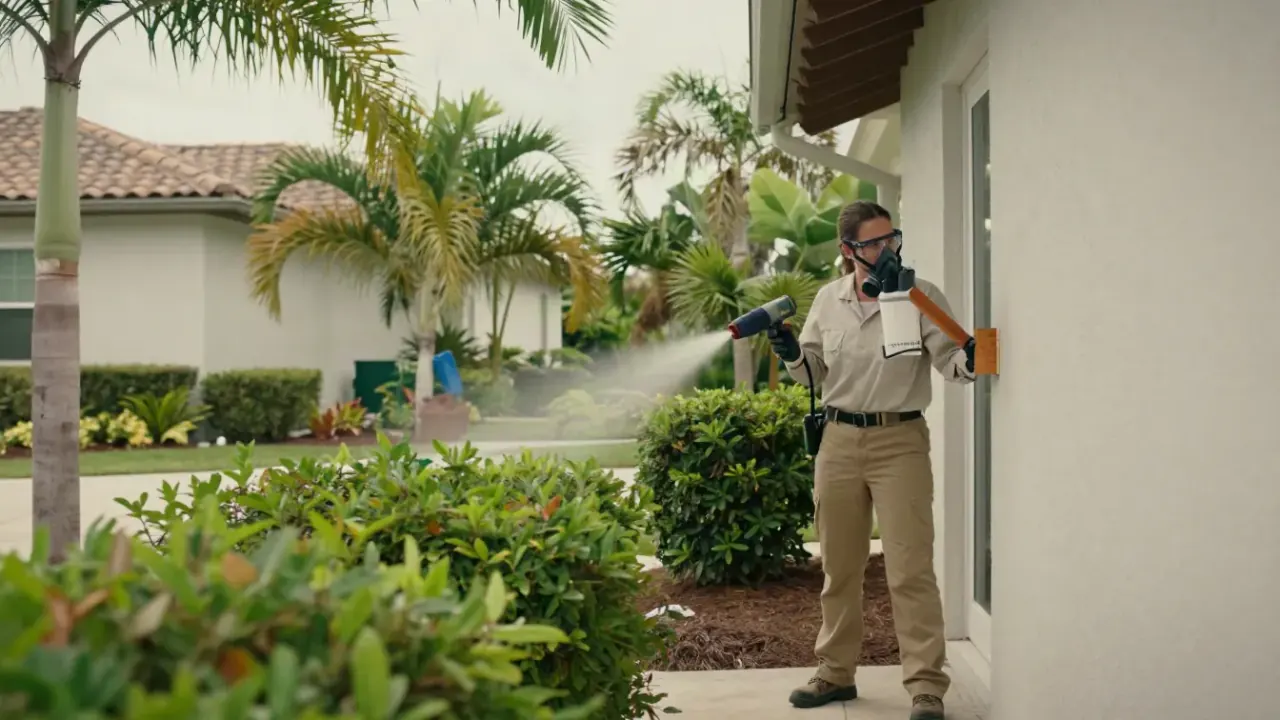
A full walkthrough of the structure, inside and out, looking for termite mud tubes, termite frass, hollowed wood, and moisture problems that invite infestation. Local providers check the attic, crawlspace, foundation line, and every exterior wall. You get photos and a written report.
View service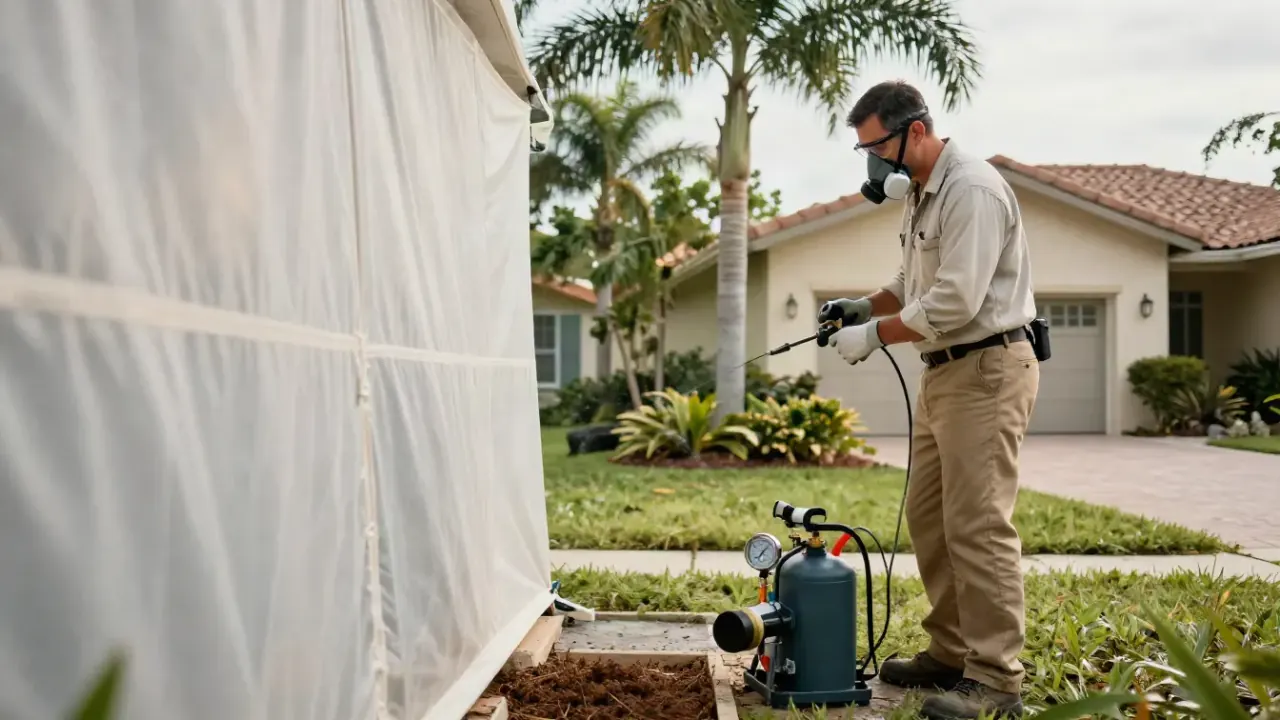
Targeted treatment using Termidor, Altriset, or Premise termiticide applied to soil and entry points, plus borate wood treatment on exposed lumber. This is the right call for active colonies that have not yet reached full structural spread. Most treatments finish in two to four hours.
View serviceShare what is happening and receive a clear next step from the local team.
Local providers walk the property with a termite inspection flashlight, moisture meter, and thermal imaging camera. Local providers check the foundation, crawlspace, attic, and exterior walls for mud tubes, frass, and hollowed lumber, then confirm which species local providers are dealing with.
You get a written price covering the exact treatment method, materials, and labor. If spot treatment will solve it, local providers say so. If the colony has spread far enough that fumigation is the honest answer, local providers tell you that too.
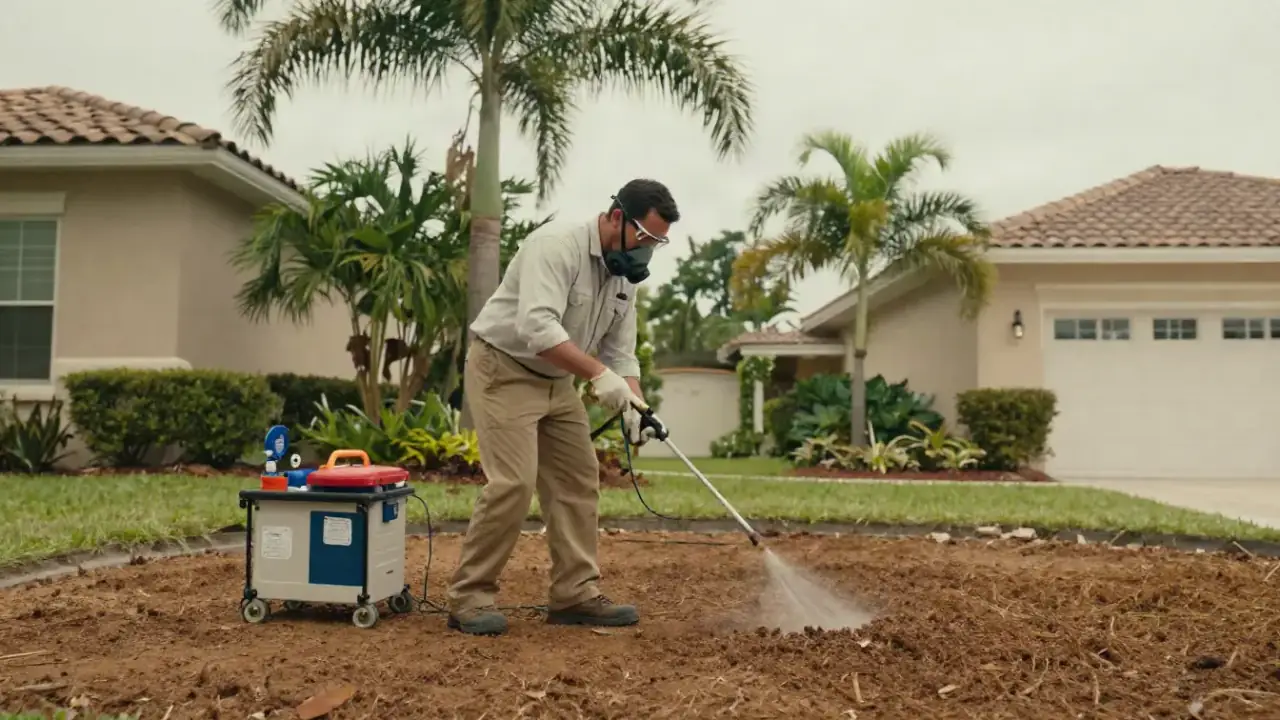
Local providers apply termiticide to the soil, install bait stations, or set up tenting equipment depending on the plan. Most perimeter treatments take two to four hours. Fumigation runs one to three days, and local providers handle the clearance testing ourselves.
Local providers re-check treated zones, confirm no active termite activity remains, and document the work.
Every job follows the same four steps, whether it is a single garage wall or a full house. You know what is happening at each stage, and you know the price before local providers begin.
Termites do not announce themselves. By the time most homeowners call, the colony has been feeding for months. Here are the problems local providers see most often in Ormond Beach and how local providers handle each one.
Mud tubes mean subterranean termites are moving between soil and wood. Local providers trace the tubes back to the entry point, treat the soil with Termidor or Premise, and install bait stations to catch foragers still underground. Most active tubes are dead within two weeks.
Swarmers are reproductive termites leaving an established colony. Local providers inspect the interior and exterior for the source, then treat the structure before new colonies form. If you need termite exterminator Ormond Beach emergency Ormond Beach service, call and local providers will come out.
Hollowed lumber usually means drywood termites feeding inside the wood. Local providers probe the framing, treat infested areas with foam insecticide and borate wood treatment, then seal access points. Catching it at one or two boards saves the rest of the wall.
Termites need moisture, and Florida humidity delivers it. Local providers use a moisture meter to find the wet zones, fix the drainage or leak feeding them, and treat the soil underneath. Removing the water source is what keeps the colony from coming back.
Local providers work across Ormond Beach, from the older homes near the Halifax River to the beachside properties along the coast. Salt air, sandy soil, and year-round humidity make this a high-pressure termite market, and the construction styles vary block to block. If you need termite inspection Ormond Beach FL Ormond Beach service, local providers cover the whole area.
Routes are built around practical drive times and prepared arrivals. Call if your community is not listed.
Available in many surrounding communities and ZIP codes. Call to confirm current route coverage.
Look for a company holding a Florida Department of Agriculture Pest Control License with NPMA Certified technicians and State Certified Termite Inspectors on staff. Ask what termiticide they use, and how fast they respond.
Availability varies by provider. Homeowners can ask a local provider about emergency and after-hours options when they call.
Ask three things: what tools they use, what the report includes, and whether the inspector is state certified. A real inspection uses a moisture meter, thermal imaging camera, and probes, not just a visual walkthrough. You should get photos and a written report, not a verbal summary.
Perimeter soil treatments start killing foragers within days, and active mud tubes usually dry up in two to three weeks. Bait station systems take longer, often two to six months, because the colony has to carry the bait back to the nest. Fumigation clears the structure in one to three days.
The questions local providers get most from homeowners in Ormond Beach, answered straight. If yours is not here, call and local providers will walk you through it.
Ask a local providerPractical guidance to help you notice problems earlier and understand the available options.
Call a local provider at (386) 230-1202 or send a message and you will get a reply the same business day. Emergency termite calls are answered, and most inspections in Ormond Beach get scheduled within 24 hours. Describe what you are seeing and the provider will tell you what it likely is.