Focused arrival windows
Useful updates and clear arrival timing.
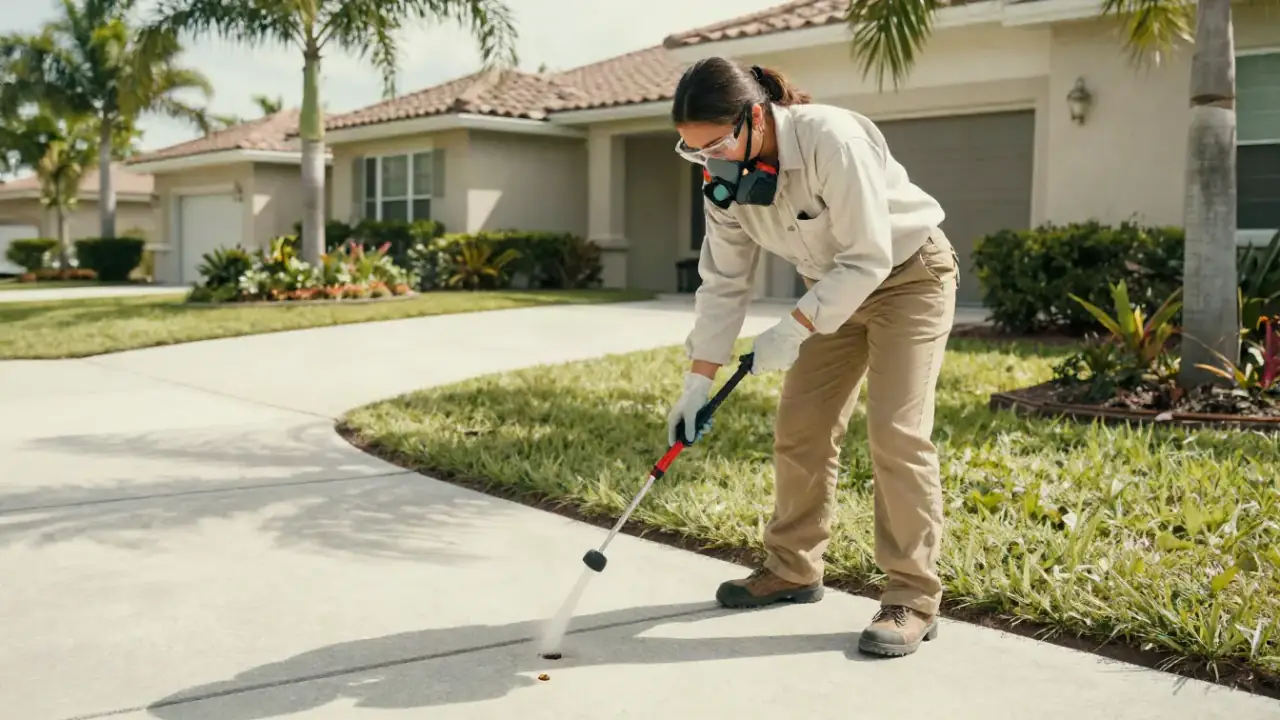
Subterranean termite control in tormond beach, Florida protects the one thing a colony attacks first: the soil-to-wood contact under your home. We handle subterranean termite treatment tormond beach homeowners call about after finding mud tubes on a stem wall or swarmers near a porch light. If you have seen either, call us today.
Useful updates and clear arrival timing.
Review the approach and price before deciding.
Equipped vehicles and respectful cleanup.
Neighbors serving neighbors with follow-through.
Every treatment package is built around your inspection findings. These are the core items we include on a standard subterranean termite control job in tormond beach, Florida. Add-ons like wood repair or tenting are quoted separately if your inspection calls for them.
A State Certified Termite Inspector checks the foundation, crawlspace, sill plate, and every slab penetration. We use a termite inspection flashlight, moisture meter, and thermal imaging camera, then document findings with photos and a written diagram.
We trench and treat the soil along the foundation with EPA Registered Termiticide such as Termidor or Altriset. The treated zone creates a continuous barrier that stops foragers before they reach wood. Application follows label rates for your soil type.
Where baiting is the better fit, we install Sentricon, Trelona, or Advance Termite Bait stations every 10 to 20 feet around the structure. Stations are flush with the ground and checked on a set schedule, usually every 60 to 90 days.
Exposed framing gets a borate wood treatment, and wall voids get foam insecticide where termites have moved above the soil line. We also seal entry points with caulk and sealants to close gaps termites were using.
You receive a written service record after every visit, plus a warranty that covers re-treatment if activity returns inside the treated zone. That documentation is what lenders and buyers ask for during a real estate transaction.
Share what is happening and receive a clear next step from the local team.
Subterranean termite control in tormond beach, Florida is a soil-based treatment program that kills the colony feeding on your home and keeps new ones from moving in. Subterranean termites live underground, build mud tubes up foundation walls, and eat framing, trim, and subfloor from the inside out. We treat the soil, the foundation line, and the wood itself with EPA Registered Termiticide, then monitor the property so a new colony never gets a foothold.
In tormond beach, termites work year-round because the soil rarely cools enough to slow them. Sandy lots, irrigation lines, and mulch beds stacked against the slab give them easy cover. If you have found termite mud tubes or termite frass near a window sill, you need subterranean termite treatment tormond beach crews can start the same week. We inspect first, then treat the problem we actually find.
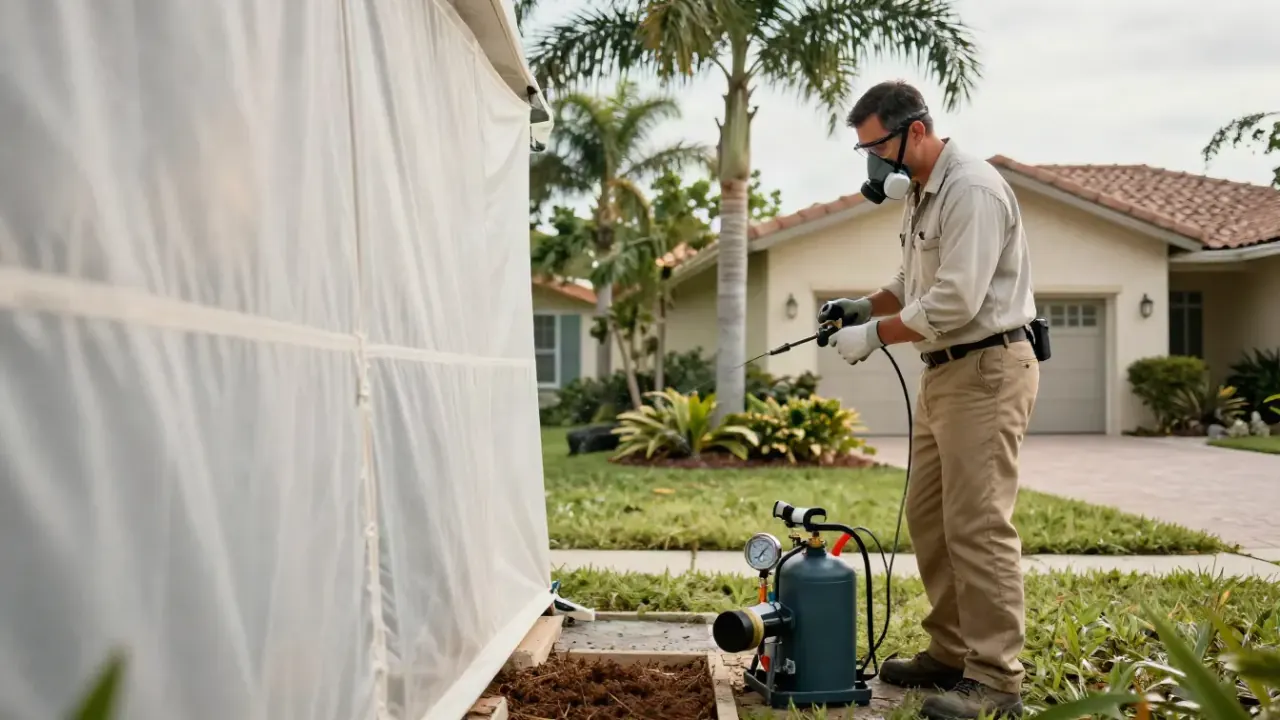
A State Certified Termite Inspector walks the property with a termite inspection flashlight, moisture meter, and thermal imaging camera. We probe the sill plate, check the crawlspace, and map every mud tube. Expect 45 to 90 minutes depending on the size of the home.
We identify the species, locate the entry points, and mark active galleries. You get a written diagram showing where the termites are and how far the activity has spread. No guessing, no blanket spraying.
We match the method to the problem: liquid soil treatment with Termidor or Altriset, a Sentricon or Trelona baiting system, or a borate wood treatment for exposed framing. You approve the plan and the price before we start.
Most treatments take two to four hours. We trench and treat the soil, install bait stations, and apply foam insecticide to wall voids where needed. You and your pets stay clear of treated areas until everything dries, usually a few hours.
We return on a set schedule to check stations and re-treat as needed. Your warranty covers re-treatment if activity returns, and we leave a written service record after every visit. That record is what protects you if you ever sell.
Used to light crawlspaces and foundation lines where mud tubes and frass hide. A focused beam catches tube edges that a phone light misses.
Reads moisture content in framing and soil. Termites need moisture, so elevated readings tell us where to focus the inspection and treatment.
Shows temperature differences behind walls and under floors. Active galleries and moisture pockets show up as cooler or warmer zones before damage is visible.
Applies liquid termiticide at label rate along trenches and foundation lines. Even coverage is what makes the soil barrier work.
Sentricon, Trelona, and Advance Termite Bait stations installed around the structure. They intercept foragers and deliver slow-acting bait back to the colony.
Used to tap and probe sill plates, trim, and subfloor for hollow sound and soft wood. Probing confirms activity before we commit to a treatment zone.
We trench along the foundation and apply Termidor or Altriset at label rate to create a continuous treated zone. This is the fastest knockdown method for active subterranean termites and typically takes two to four hours on a standard home.
Sentricon, Trelona, or Advance Termite Bait stations are placed every 10 to 20 feet and checked every 60 to 90 days. Baiting is slower than liquid treatment but gives continuous monitoring and colony-level control.
Exposed framing and trim get a borate wood treatment that soaks in and makes the wood unpalatable to termites. We use it alongside soil treatment when activity has moved above the foundation line.
Foam insecticide is injected into wall voids and block cores where termites travel without touching treated soil. It fills the space and contacts termites that a surface spray would miss.
We inspect the same day when possible, confirm whether the tubes are active, and treat the soil entry point. If the colony is still feeding, we install stations to intercept the rest of the foragers. Active tubes stop within 30 to 60 days, and you get a written report showing the treated zone and the monitoring plan.
We perform a full inspection with thermal imaging and moisture readings, document any activity, and provide a treatment plan if needed. The report is written to satisfy lender and buyer requirements. You get a clean, documented file that keeps the closing on schedule and answers the termite question before it becomes a negotiation.
We inspect your property for mud tubes, frass, and moisture issues, then recommend either a preventive soil barrier or a baiting system based on what we find. No treatment is sold without evidence. You either get confirmation that your home is clear, or you catch early activity before it reaches the framing.
We re-inspect the property, check any existing stations, and rebuild the documentation. If the old barrier has gaps, we re-treat the affected zones and start a new warranty record. You end up with a current treatment, a fresh warranty, and a written history you can hand to a buyer or lender.
Subterranean termite control in tormond beach, Florida runs on a different clock than inland jobs. The coastal humidity keeps soil moisture high most of the year, so colonies stay active through winter instead of slowing down. Homes near the Intracoastal often have irrigation lines running close to the slab, and that constant moisture draws foragers. We adjust trench depth and station spacing for sandy coastal soil, which drains faster and can carry termiticide away from the foundation if applied wrong. If you are searching for same-day subterranean termite control tormond beach service, call before noon and we can usually inspect that afternoon. We also see a lot of older block construction in Downtown Ormond Beach where the stem wall has hairline cracks. Those cracks are termite highways, and we seal them with caulk and sealants as part of the treatment. A subterranean termite baiting system tormond beach Florida homeowners rely on has to be checked on schedule here, because warm soil means bait gets consumed faster than in cooler climates.
Older block and frame homes with mature landscaping. Mulch beds against the slab and hairline stem wall cracks are the most common termite entry points we find.
Coastal lots with high soil moisture and irrigation lines near the foundation. Colonies here stay active year-round, so monitoring schedules matter more.
Larger lots with heavy tree cover and leaf litter. We often find termite activity where landscaping meets the foundation and in damp crawlspaces.
Established neighborhood with a mix of slab and crawlspace construction. Crawlspace homes need sill plate probing at every inspection.
Termites stay active through winter instead of going dormant, so monitoring intervals stay at 60 to 90 days year-round.
Termiticide can leach away from the foundation if trenching and application rates are not adjusted. We match depth and volume to the soil.
Constant moisture creates a termite-friendly zone right against the foundation. We flag these areas and treat them with extra attention.
Hairline cracks give termites a direct path from soil to framing. We seal them during treatment to close the route.
A homeowner in Downtown Ormond Beach found three active mud tubes on the garage stem wall and soft trim near the door. A prior spray treatment from years earlier had gaps along the slab edge, and termites had re-entered through a crack in the block.
We treated the soil with Termidor along the full perimeter, sealed the stem wall crack, and installed 14 bait stations. At the 60-day check, no new tubes had appeared and the moisture meter readings at the sill plate had dropped to normal.
Maintenance: Quarterly station checks and an annual inspection keep the barrier intact. We re-treat any zone where activity returns under the warranty.
A home in Ormond-by-the-Sea had swarmers around the porch light two springs in a row. The soil stayed damp from irrigation, and the original liquid treatment had been applied too shallow to hold in sandy soil. Foragers were active within 8 feet of the foundation.
We switched the property to a Sentricon baiting system with 22 stations and re-treated the soil at the correct depth. Swarmer activity stopped after the first season, and the 90-day checks showed no new bait hits after month five.
Maintenance: Stations stay in the ground year-round and are checked every 90 days. We refresh bait as it is consumed and document each visit.
A rental property near The Trails had recurring termite activity despite a treatment five years earlier. The original paperwork was lost, and no monitoring had been done. Probing found hollow trim on two sides of the house and frass near a window sill.
We re-inspected the full perimeter, found two untreated slab penetrations, and re-treated those zones with Altriset. Borate wood treatment was applied to the affected trim. At the 90-day follow-up, no new activity was found and the warranty file was rebuilt.
Maintenance: Annual inspections and 90-day station checks keep the record current. The rebuilt warranty file is ready for the next lender or buyer.
Subterranean termites rarely announce themselves. Most homeowners call us after finding one of these four problems, and each one has a specific fix.
Mud tubes mean active foragers are already moving from soil to wood. Ignore them and the damage spreads into the sill plate and subfloor within a season. We trace the tubes back to the soil entry point, treat the soil with Termidor, and remove the tubes so we can monitor for new activity. Most active tubes stop reappearing within 30 to 60 days after treatment.
Swarmers signal a mature colony nearby releasing reproductives. If they establish a new colony near your slab, you get a second infestation on the same property. We inspect the full perimeter, identify the source colony, and install bait stations to intercept new foragers. Treating the soil barrier at the same time stops the swarmers from founding a colony against your foundation.
Hollow wood means termites have eaten the inside and left the paint or veneer intact. By the time it feels soft, the structural loss is already significant. We probe the affected area, map the galleries, and treat both the soil and the wood. A borate wood treatment protects the remaining framing while the soil barrier stops the colony from returning.
Termites return when a treated zone has gaps or the original application missed a slab penetration. Recurring activity means the barrier failed, not that termites are unbeatable. We re-inspect the full perimeter, find the gap, and re-treat that zone under warranty. If the original method was the wrong fit, we switch to baiting or a different termiticide and document the change.
Our technicians hold a Florida Department of Agriculture Pest Control License and work under NPMA Certified and QualityPro standards. We are a State Certified Termite Inspector shop, which means the same person who inspects your home also understands what a lender or buyer will ask for. We work with Termidor, Sentricon, Trelona, Advance Termite Bait, Premise, and Altriset, and we follow EPA Registered Termiticide label requirements on every application. Subterranean termite control in tormond beach, Florida is not a side service for us. It is the work we do every week.
Most homes run $650 to $1,800 for a full liquid soil treatment, and baiting systems typically run $900 to $2,200 installed with the first year of monitoring. How much does subterranean termite treatment cost in tormond beach Florida depends on foundation type, linear footage, and whether active damage needs repair. We give you a written range after the inspection, not before.
For most slab-on-grade homes here, a Termidor soil treatment is the fastest knockdown, while a Sentricon or Trelona baiting system is the better long-term monitor. The best choice depends on your foundation, soil, and whether you have active termites right now. We inspect first, then recommend the method that fits your house instead of selling one product to everyone.
Baiting usually takes 60 to 120 days to knock down an active colony, and stations stay in the ground year-round after that. We check them every 60 to 90 days. If activity continues past the first quarter, we adjust station placement or switch to a liquid treatment. You get a written record at every check.
We do, and we are local to the area. Our technicians hold a Florida Department of Agriculture Pest Control License and work under QualityPro standards. We handle inspections, liquid treatments, baiting systems, and re-treatment under warranty. Call +13866081389 and we can usually get an inspector to your property the same day.
Not seeing your question? Our local team can help you understand urgency, scheduling and what to expect.
Ask the local team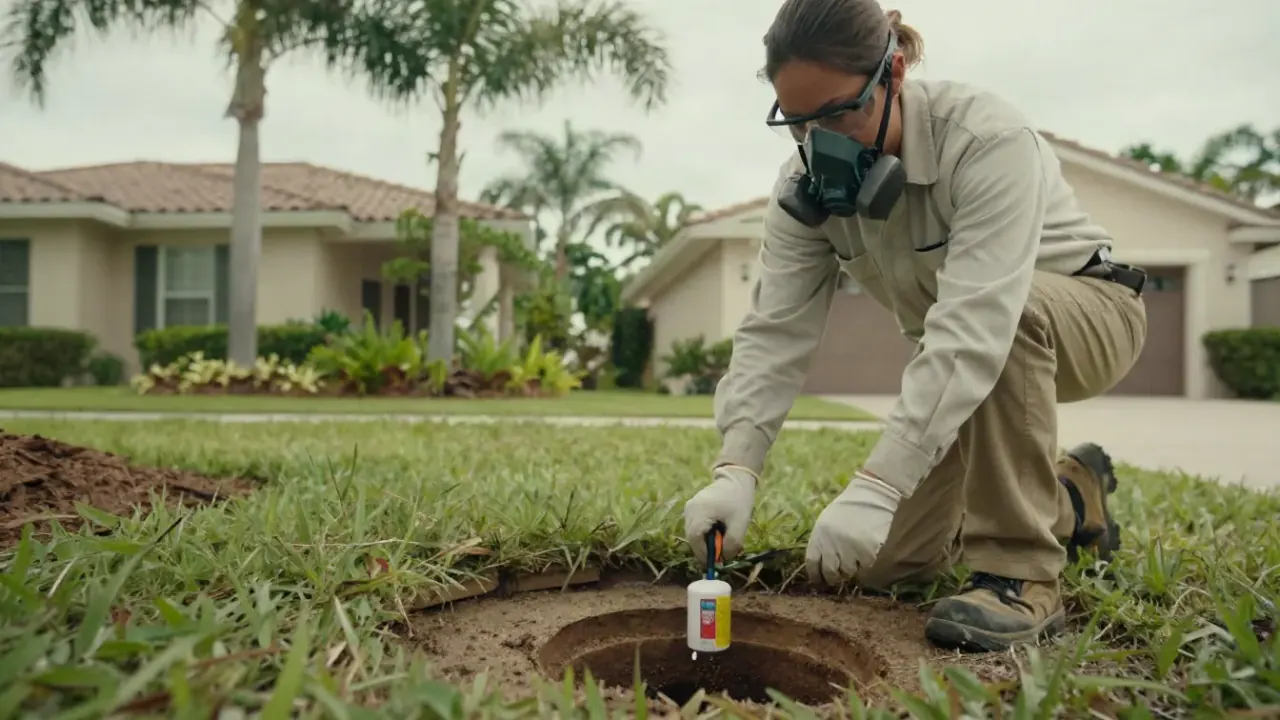
When drywood termites are also present, tenting with fumigation tarps and fumigation gas clears the whole structure. We coordinate tenting with your subterranean soil treatment so both problems are handled in one schedule.
View service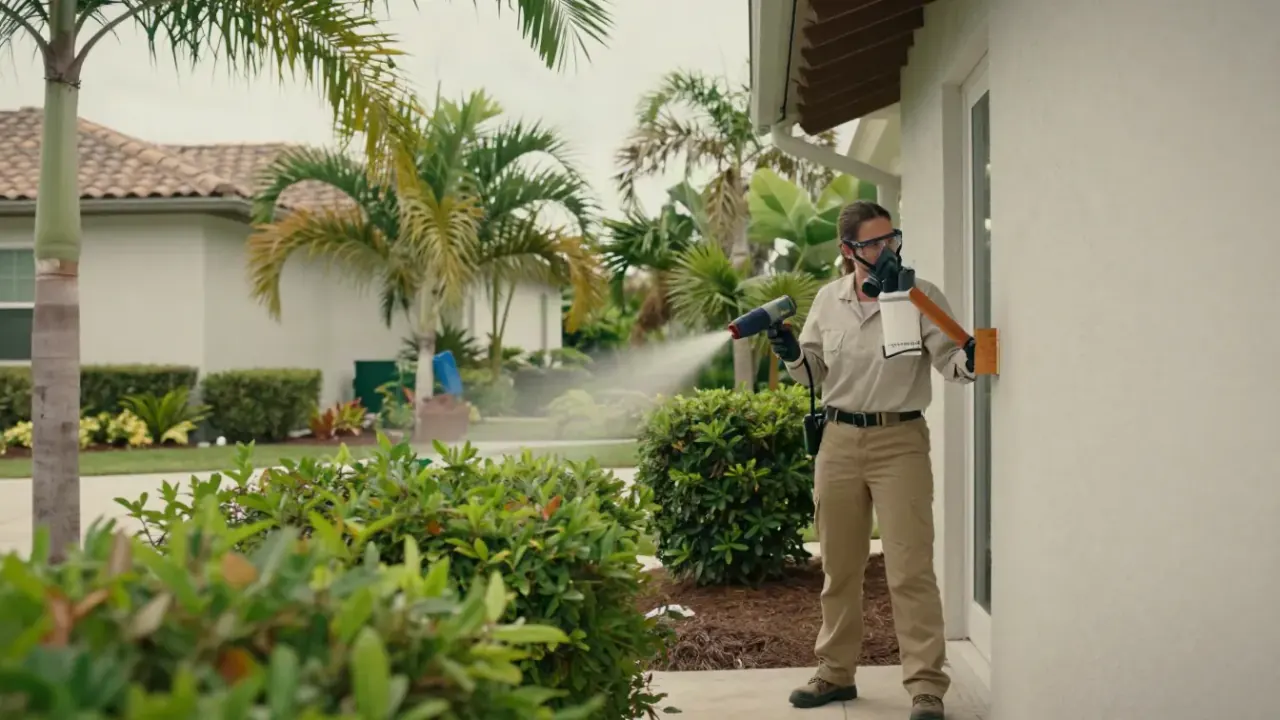
Every subterranean treatment starts with a full inspection using a termite inspection flashlight, moisture meter, and thermal imaging camera. We document mud tubes, frass, and moisture readings so you have a written baseline before treatment begins.
View service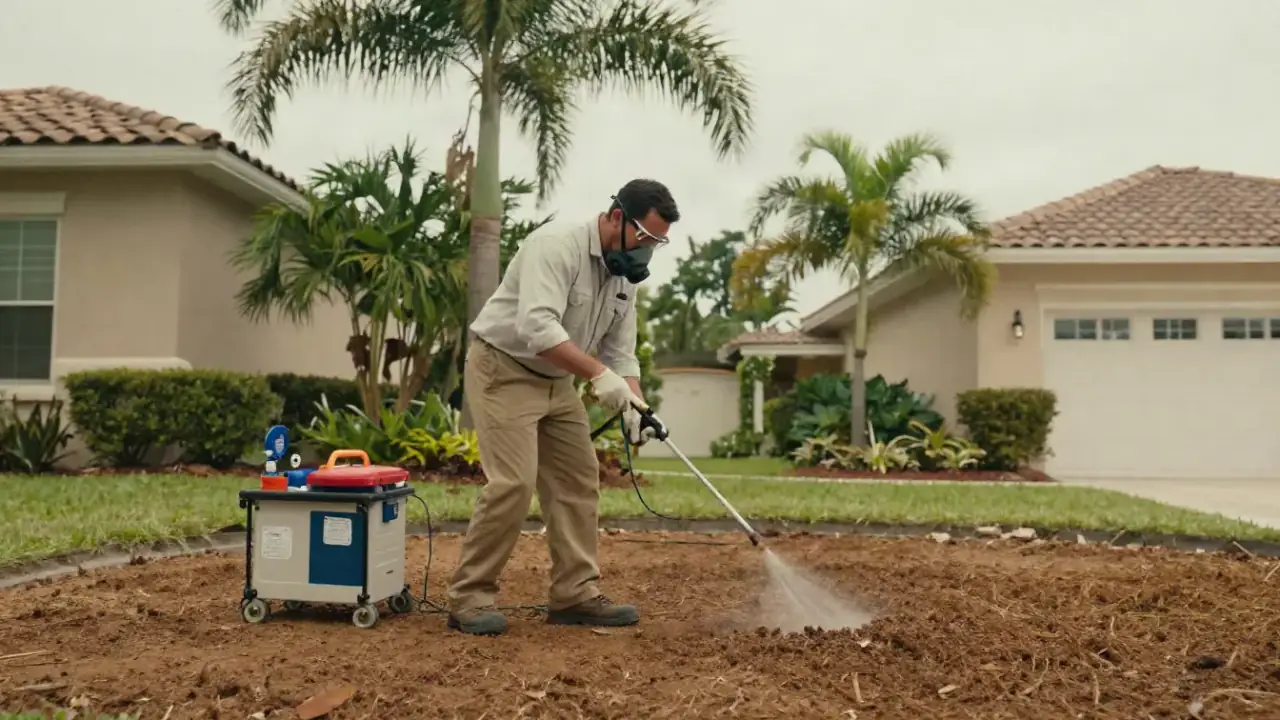
Our general termite treatment covers liquid soil barriers, foam insecticide in wall voids, and borate wood treatment on exposed framing. It pairs with subterranean termite control when activity has moved above the foundation line.
View service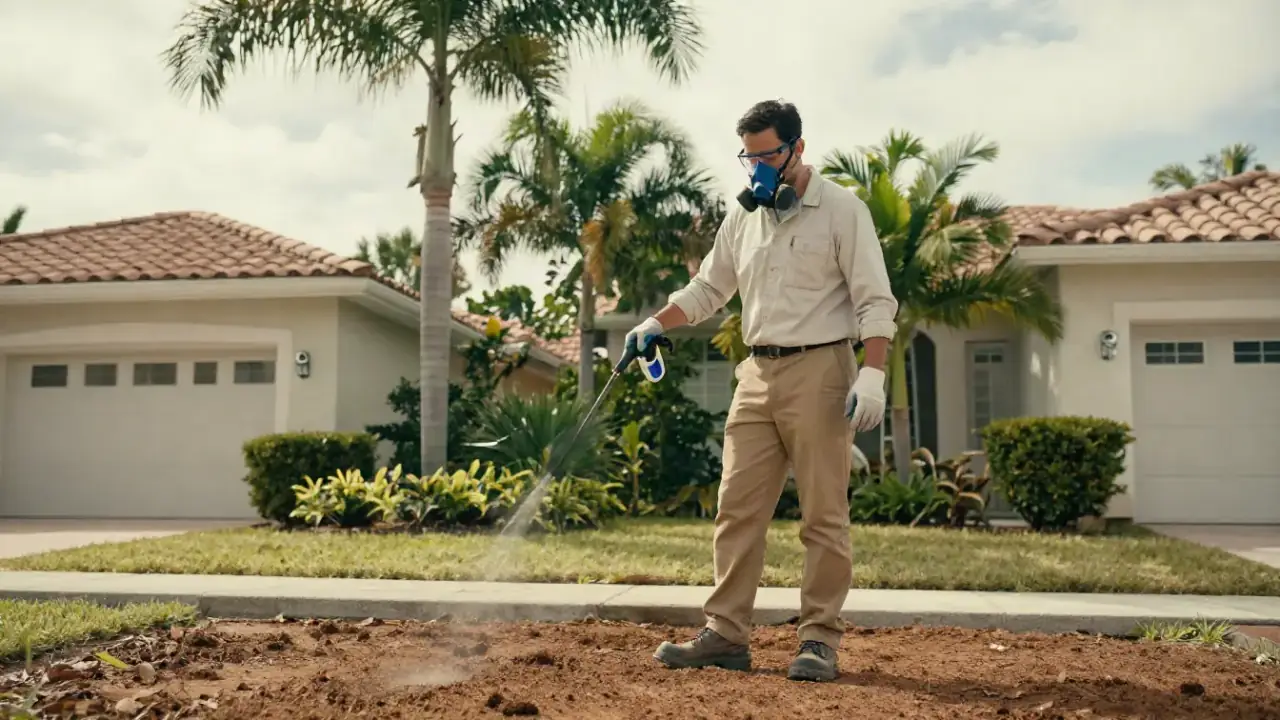
Drywood termites live inside the wood and leave pellets, not mud tubes. If your inspection finds drywood termite damage alongside a subterranean infestation, we treat both so the colony does not simply shift from soil to framing.
View service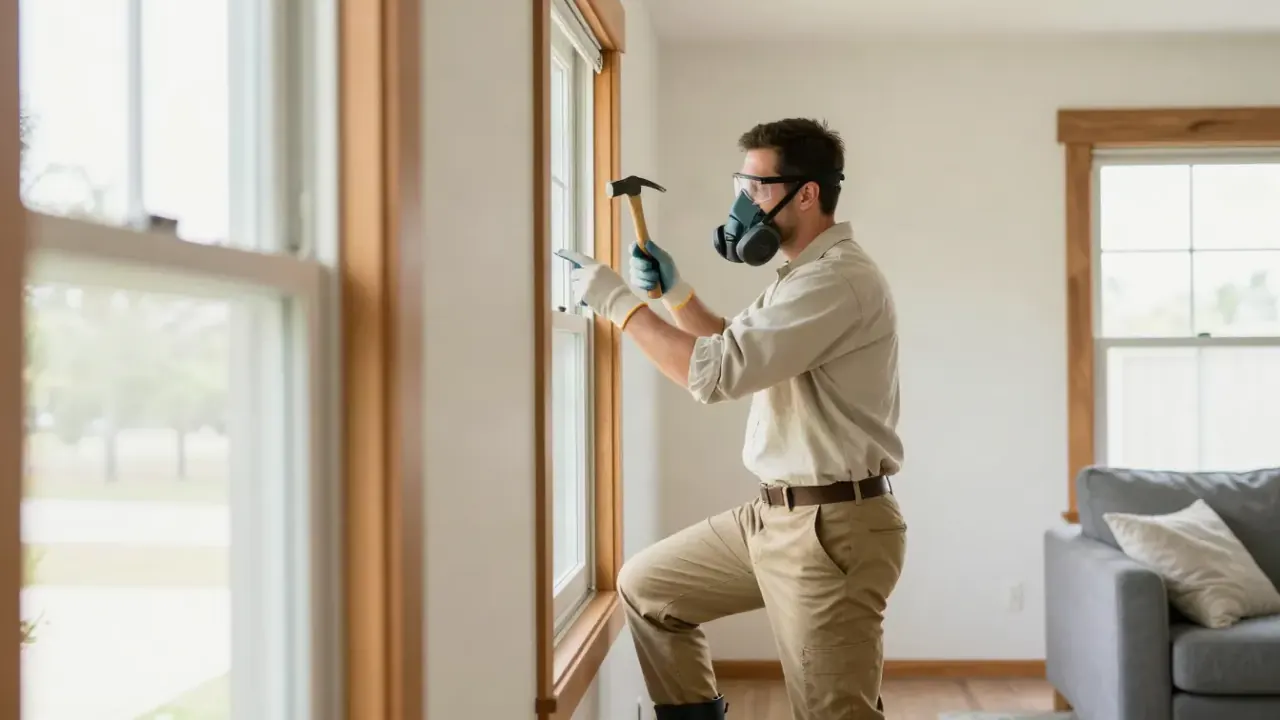
Call us at +13866081389 or send a message and we will get back to you the same business day. We answer emergency termite calls 24/7, and most inspections in tormond beach get scheduled within 24 hours. Tell us what you are seeing and we will tell you what it likely is.